Solar Batteries
Showing 17–32 of 37 results
End of content
End of content
Solar batteries function as storage devices which save your generated power for evening consumption. Your grid demand needs to decrease by no more than 60%. The roundtrip efficiency of Li ion batteries reaches 95%. The energy density of lithium metal alternatives reaches 150 Wh per kilogram.
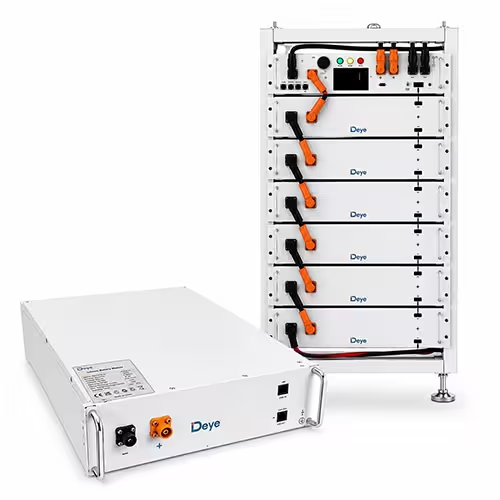
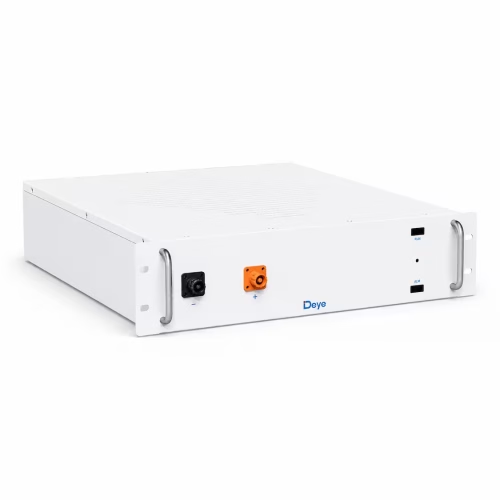
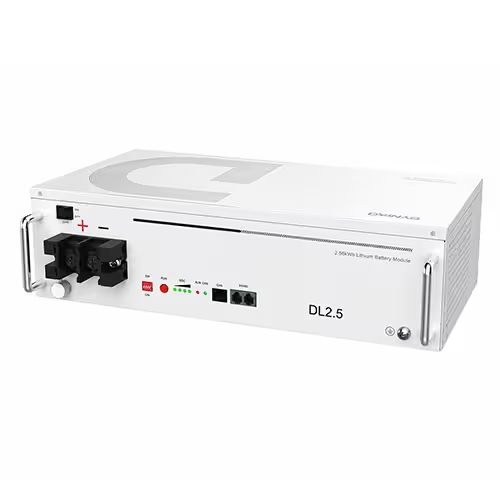
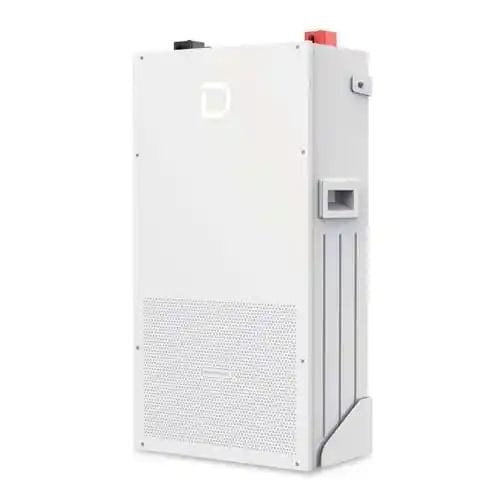
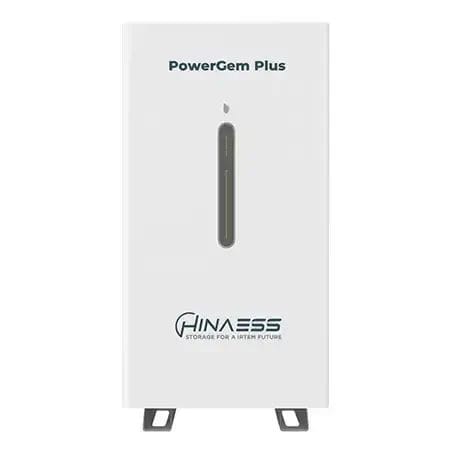
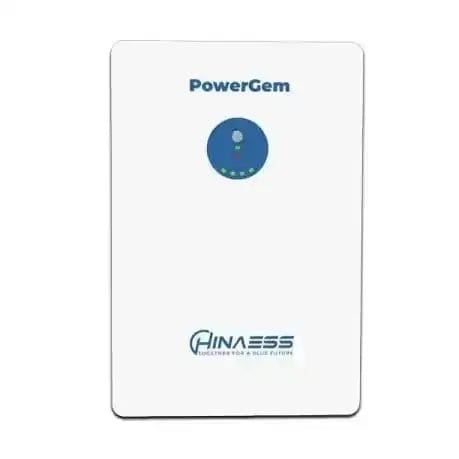
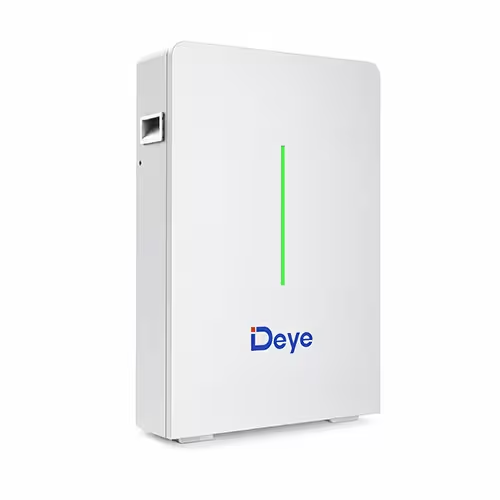
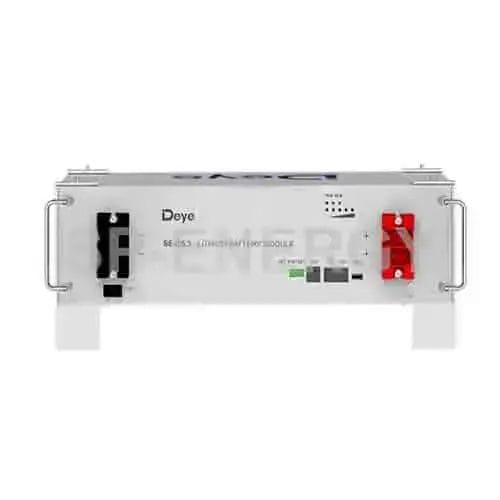
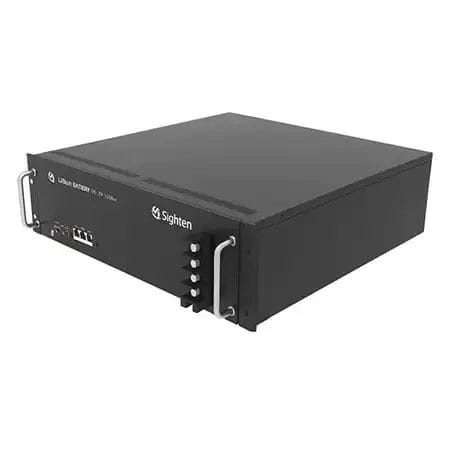
The Dyness Powerbrick unit offers users modular storage solutions which range from 5 kWh to 20 kWh. The Deye Battery systems operate as standalone power solutions which work with both independent power systems and systems that combine different power sources. The Hinaess Battery packs provide customers with 10-year warranties that guarantee their performance throughout this period.
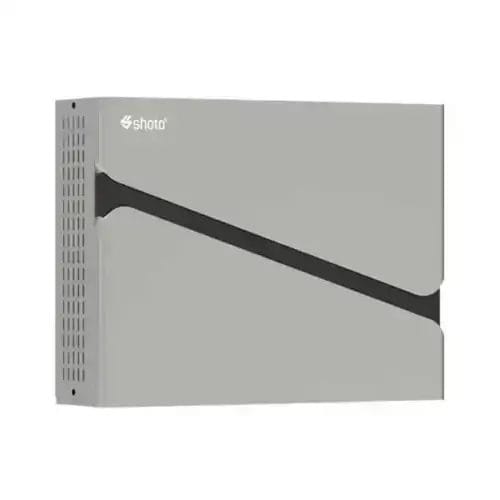
The Shoto lithium battery modules operate at 80% capacity throughout 5 000 cycles. The analysis requires price per kWh comparison to determine which battery options provide the best value. The price of a 10 kWh dyness battery amounts to ZAR 75 000. The total cost for you to purchase one kWh of electricity amounts to ZAR 7 500 which includes both the electricity price and installation expenses. The cost of solar batteries depends on the specific brand and model and the amount of power they provide and the length of their warranty period.
The selection process for your perfect battery begins by determining your daily power usage. Review your last three months utility bills for kWh usage. You should multiply your typical daily usage amount by the number of backup hours which you need. The system needs 20 kWh backup power so it must have storage capacity of at least 20 kWh. The system requires a 20% safety buffer to stop the battery from reaching dangerous low voltage levels. The initial expenses need to be compared to the total amount of money which will be saved throughout the entire period. A ZAR 7 000 per kWh battery will save ZAR 10 000 during a period of ten years. High efficiency units help you achieve faster payback periods.
You need to verify that your battery works with your inverter before making the purchase. The Dyness Powerbrick system works with all hybrid inverters that exist in the market. The Deye Batteries system operates perfectly with the Deye solar inverters. The Shoto lithium battery modules operate at standard 48 V system voltage. You need to verify that your inverter system operates with lithium battery chemistries. The warranty becomes invalid when you attempt to fix the product through unauthorized means.
The system requires basic upkeep for its operation. You track your battery state of charge by using a mobile application. The system maintains its best performance through scheduled firmware update procedures. Perform quarterly cleaning of battery terminals to stop corrosion from developing. The process requires users to follow all temperature and ventilation instructions which appear in the manufacturer’s guidelines.
The expenses for installing solar batteries depend on where you are located and how complicated the installation process becomes. The cost of remote locations would require you to pay an additional ZAR 3 000. Get three installation quotes to lock competitive rates. The installation process should be handled by Solar Energy South Africa certified professionals. The system follows local standards which it must adhere to.
You monitor your solar energy cost savings through smart meters which provide monthly usage data. Data-driven insights enable you to modify your consumption habits. Your battery life will extend when you lower your peak usage levels during evening hours.
Secure energy independence now. The website https://sp-energy.co.za/product-category/solar-batteries/ allows users to evaluate the performance of dyness and Deye and Hinaess and Shoto batteries. You can obtain your free consultation and personalized quote at this time.
Showing 17–32 of 37 results


End of content
End of content